In the GFSC Online Library...
Bad
Things Happen to Good People
explaining the painful, but normal, necessary feelings
and emotions that are part of every crisis and loss [print
copy]
Debriefing
A Traumatic Event
a conversation framework intended to be used after immediate
emergency needs are met, to help survivors work through their
shock and intial reactions; also useful as outline for personal
journaling [English,
Spanish,
French]
Working
With Groups After A Crisis
Sharing,
Processing, Learning
Suggestions
for working with
people under stress
GFSC
Facilitator Self-Assessment
informal assessment tool to help you evaluate your facilitation
skills
Crisis
> Change > Choice:
GFSC Workshop for Building Community Resilience
Crisis
> Change > Choice: Building Community Resilience,
summary table
Max-Neef's
Human Scale Development
summary of effective ways to identiry and satisfy fundamental
human needs that enhance self-reliance for individuals and communities.
Manuals
and Workbooks
helping
children, adults and facilitators
deal with disaster, crisis and change
English, Spanish and Chinese*
(*traditional and simplified)
Accentuate
the Positive:
Changing Negative Self-Talk to Positive Self-Talk,
Izzy Gesell
Podcast:
When to Get Involved
For
podcasts and discussions about the aftermath
of the bush fires in Victoria, Australia, click
here.
Then look for
Download and Listen to Podcast
with Gil Brenson Lazan, Viv McWaters, Geoff
Brown
Discussing
history and role of facilitators in helping
people and communties rebound after crises.
How to involve survivors in working through
the grieving process and bringing individuals
together to build community resilience and self-reliance
as they plan their own future...
Facilitators...guide
people though participatory processes so that the group identifies
goals, makes decisions, plans organization strategies and learns
from one another.
Successful
facilitation improves group functioning, increases energy, effectiveness
and efficiency as group members learn new skills they can apply
to future challenges.
2010
GFSC Board
President:
Lenny Diamond
Vice President: Tim Karpoff
Secretary-Treasurer: Marieann Shovlin
Executive Director: BJ Diamond
Contact
us: info@globalfacilitators.org
"The
best index to a person's character is how s/he treats
people who cannot offer any advantage and how s/he treats
people who cannot fight back."
---
Abigail Van Buren
"Everything
can be taken away from a person, except one thing: the
freedom to choose an attitude in any given situation."
--Dr.
Viktor Frank,
Man's Search for Meaning
GFSC
offers networking, mentoring, training, materials and
other support services to facilitators and other professionals
working with communities building their resilience and
self-reliance, particulaly in areas affected by crisis
and change. Read
more...
Please
contact us at info@globalfacilitators.org
to arrange for customized training to meet your needs
and the needs of your organization or community.
Click
this Donate Now button to
support
GFSC work
with communities
affected by crisis!
Or
mail your check to:
GFSC
11 Sequin Road
West Hartford, CT 06117
*
* *
|
Print
Copy
Haiti Update, 20 January 2010
GFSC
has been contacted by and is reaching out to several entities with
an established presence in Haiti, who are currently working in the
search/rescue efforts, as well as several organizations that are
preparing to work with survivors of disaster/crisis.
We
have directed them to the GFSC materials specifically developed
for working with people after a crisis, including the workbooks
for processing grief and loss with adults, children and those who
work with them. These and more resources and materials are available
in the GFSC Library.
Former
Board member, Parcia Sansary is in the Dominican Republic meeting
with one of the universities whose Creole-language advisor group
wants to help translate these workbooks into French-Creole and learn
how to use them. She is also working with the university planning
several interventions, using the GFSC model.
Parcia
& past GFSC President, Gil Brenson-Lazan are also speaking with
a company that has two plants in Haiti, about helping their surviving
personnel and surrounding communities, using the GFSC model for
understanding, processing grief and its aftermath (Crisis > Change>
Choice) and an Open Space model focusing on how to collaborate.
Initially
and for the next several weeks, the focus is on search and rescue.
Until some semblance of (physical and psychological)
order
is established it will be extremely difficult for people to focus
or concentrate on evaluating or mentally processing their current
or future circumstances.
At
this point, GFSC will stay in touch with and prepare for working
with agencies, organizations and communities to help rebuild the
social infrastructure in a long-term, sustainable ways.
We will try to keep you informed of our ongoing efforts. Meanwhile,
please forward this message and point people to the resources and
materials on the GFSC website. Thank you.
What You Can Do
1. This is a very trying and emotional time. We urge all of you
to take care of yourselves, even as you are working with and caring
for others directly or indirectly affected by this (or any) disaster.
The reminders in When Bad Things Happen to Good People apply to
you, too!
2. Translate GFSC materials. We are working on having our workbooks
(presently available in English, Spanish and Chinese) and crisis-related
materials translated to French Creole. We would like to have these
materials translated into many more languages so that if/when a
disaster strikes, these helpful materials will be ready. Please
contact BJ, info@globalfaciliators.org, to participate in and/or
support this project.
3. Share this newsletter and information about GFSC with others
who can use our resources and/or support our goals.
GFSC Reaching Out Effectively
The GFSC model is designed for working with groups of people to
address their emotional and social needs for rebuilding their lives
and social infrastructure of their communities, even as they rebuild
their physical communities. It is based on recognizing the stages
of moving through grief and loss to independent thinking and reconnecting
community; rediscovering personal worth and strength, and making
effective choices after crisis.
With a disaster of this magnitude, mental health workers are overwhelmed
and 1:1 counseling will never reach all the people who will need
emotional/psychological support. GFSC has experience training local
people to work with larger groups (a social learning model) that
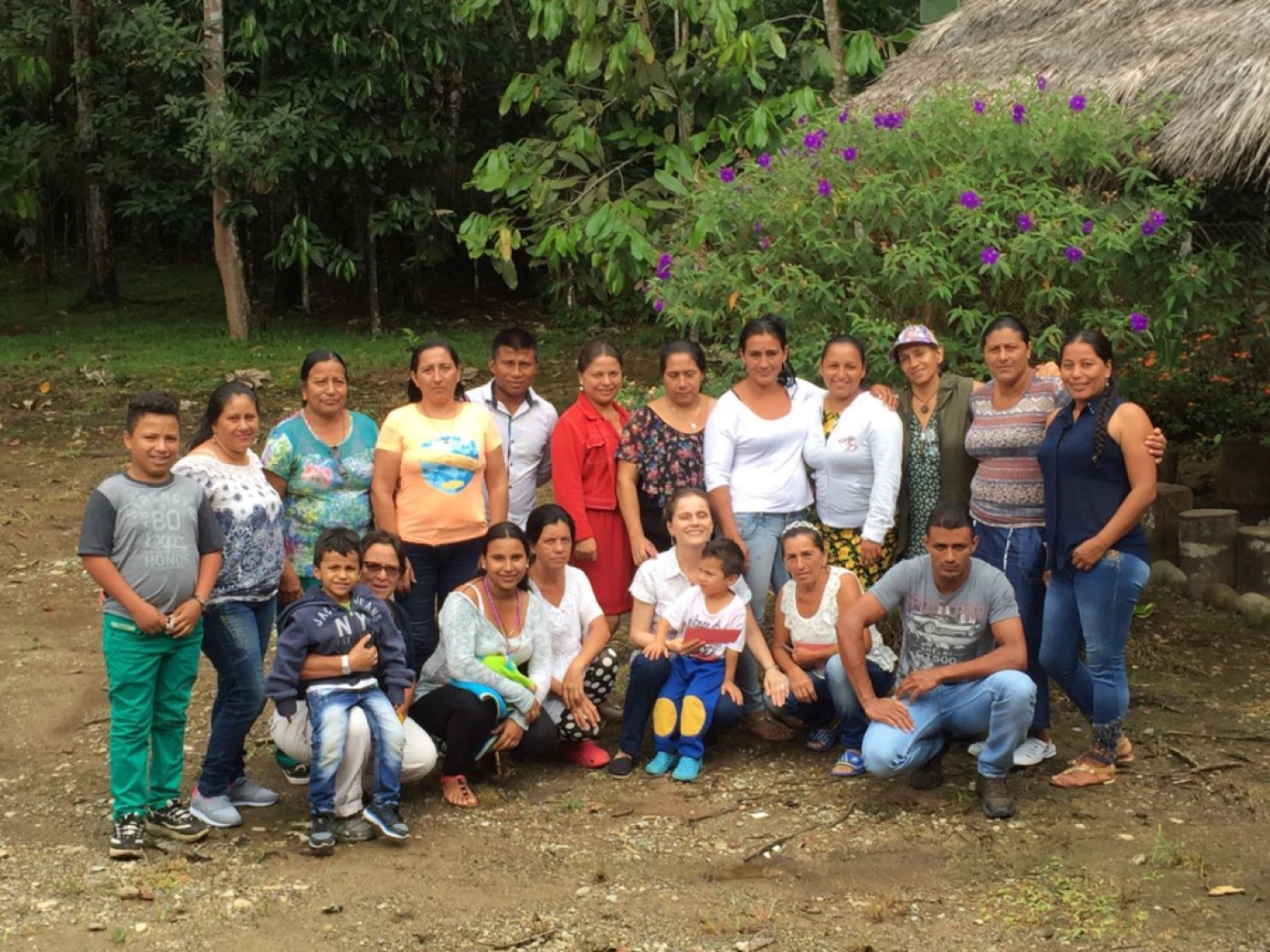
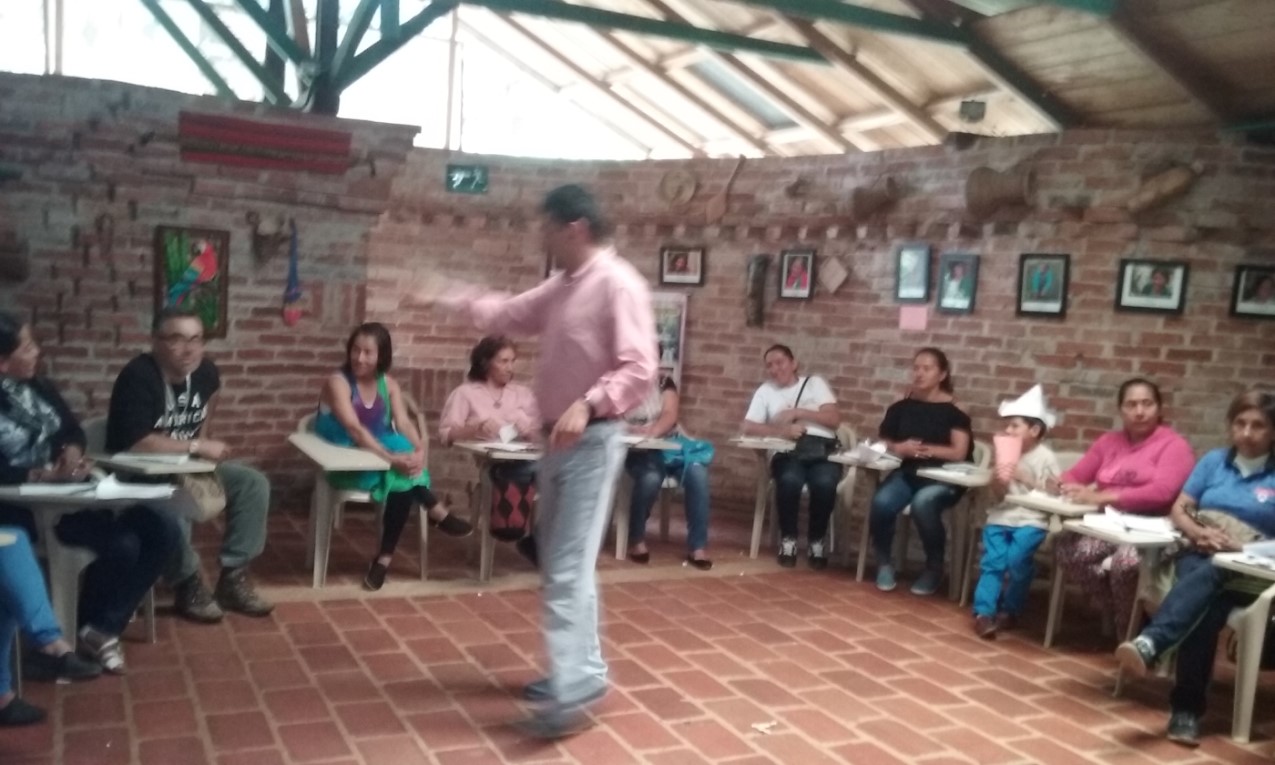
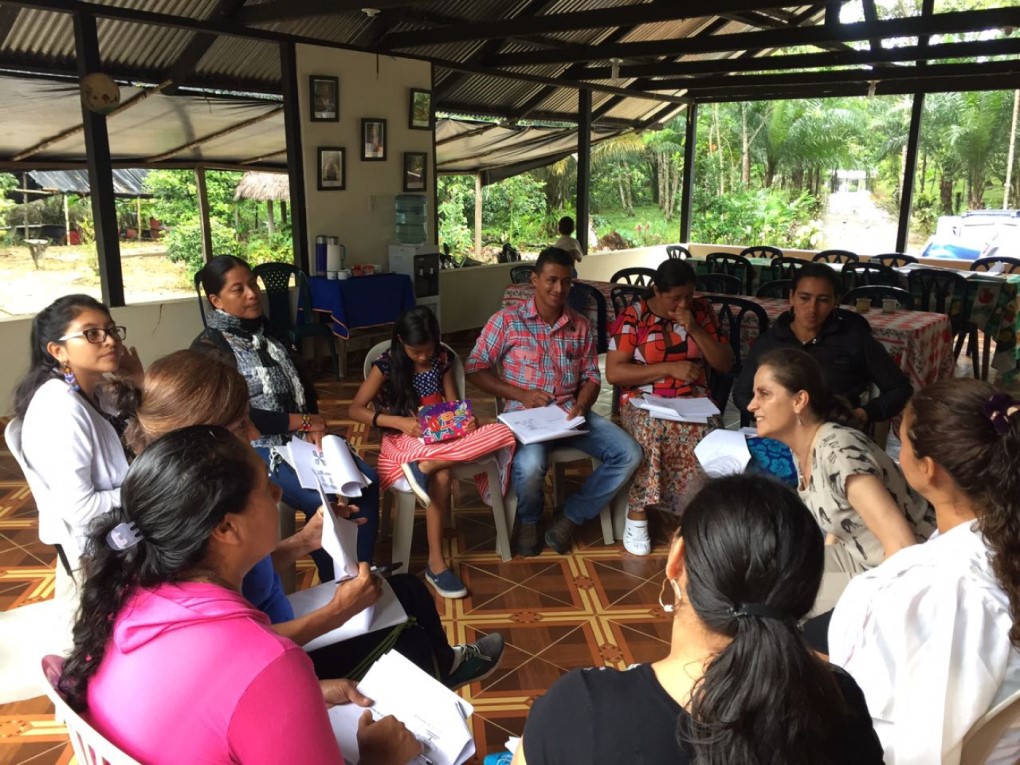
has been very effective in New Orleans, Taiwan, Colombia, and many
other locations.
In our experience one of the most effective ways to build sustainable
personal and community resilience, is to have local people work
within their communities. That is why we work with local agencies,
schools, organizations and those businesses that are dedicated to
their employees and communities. Typically, we work with a core
group that then spreads out into communities to work with others,
who repeat this process over and over, sharing skills and techniques
that apply to many situations. In New Orleans we began with 4 facilitators
who then worked with 20 more. Those 20 have spread out into the
communities, working with hundreds more!
Click here to read more about the GFSC Crisis
> Change > Choice workshop. If you would like to discuss
possibilities for helping people rebuild the social structures of
their lives and communities, please contact us, info@globalfacilitators.org.
Click
for print copy
of this newsletter
Gratitude/Gracias
Our
continuing thanks to
Global
Facilitator Service Corps...
helping people build
resilient,self-reliant
communities.
*
* *
|